The Project Sequence
The workday is only
one part of the timeline.
Plan
Scope, materials, access, and a start window.
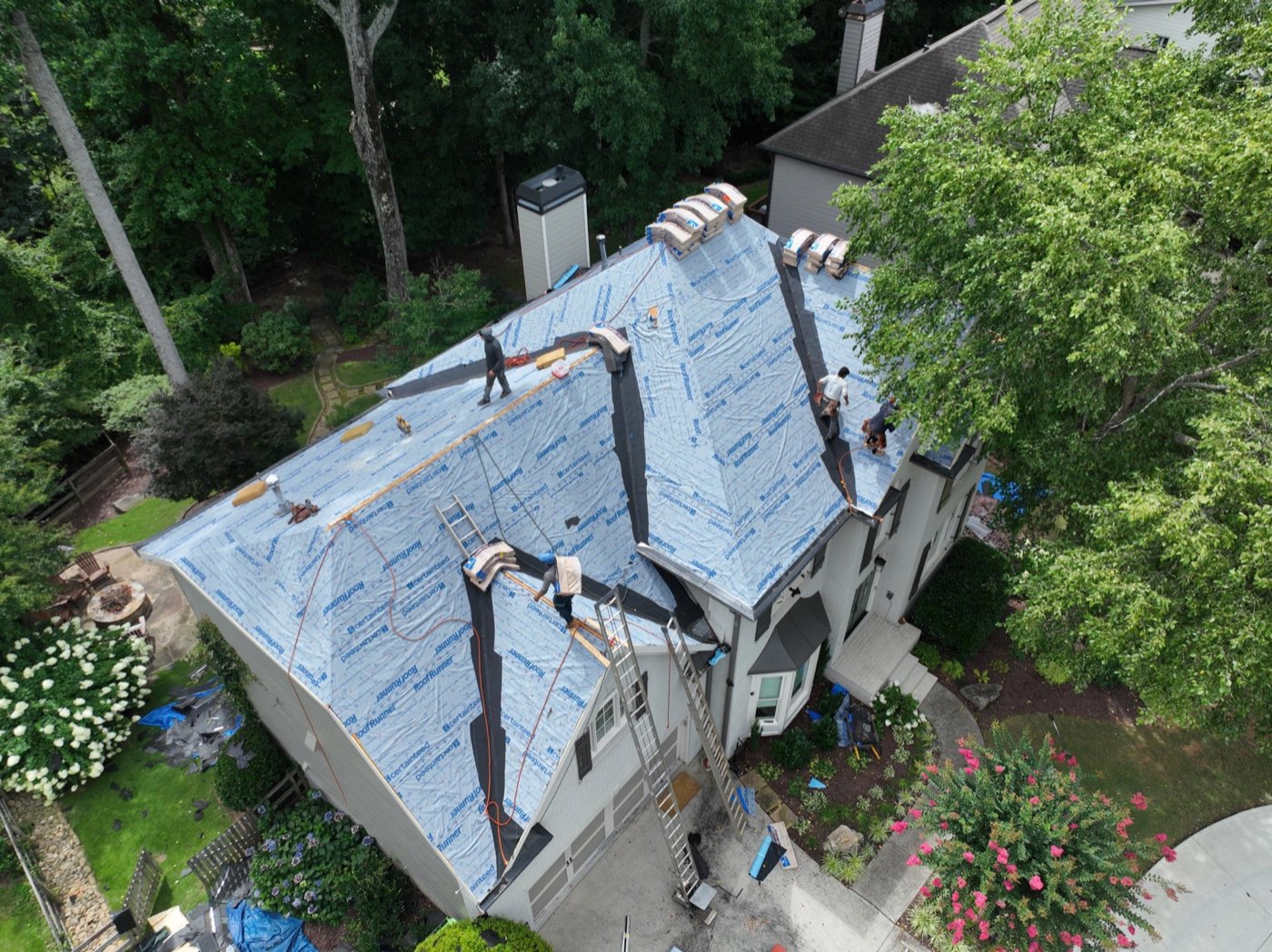
Install
Tear-off, roof preparation, and installation.
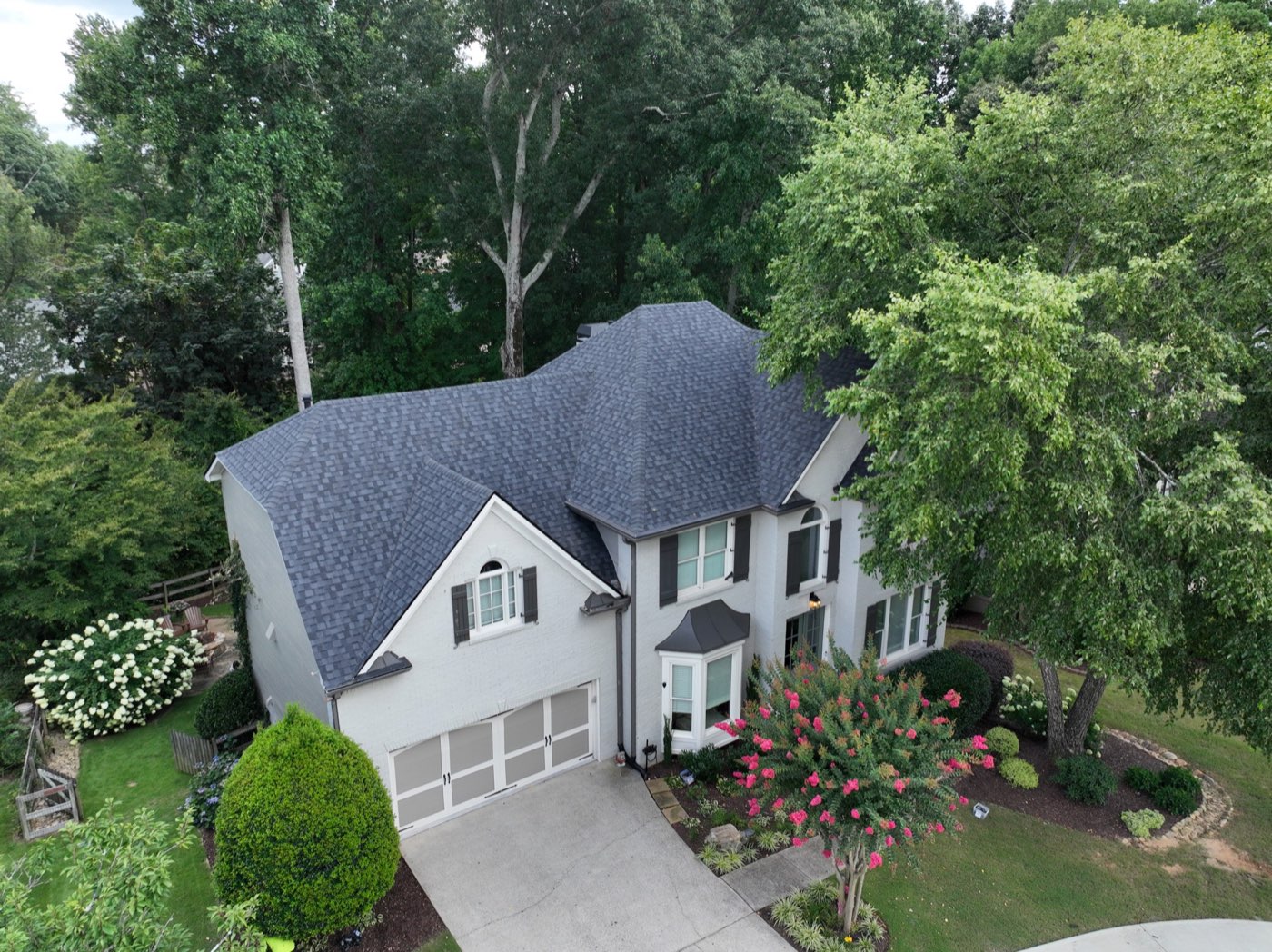
Close out
Final photos, cleanup, and project documents.
The often-cited 1-2 working days refers to installation on an average asphalt roof, not the time from your first call.
Does installation time include the wait to start?
No. Separate the schedule into three parts: planning and material availability, the on-site installation, and closeout. A two-day installation estimate does not mean the roof will be finished two days after your first call.
Ask for the expected start window, on-site duration, and arrangements for material delivery and debris removal. Confirm any HOA approvals or local requirements with the parties responsible before relying on a date.
The one-to-two-day benchmark and the main sources of delay are described in GAF's replacement timeline guide. Your roof's actual scope controls your schedule.
What can make the project take longer?
- Weather
- Rain, wind, or unsafe conditions may require a different work window.
- Roof shape and access
- Steep slopes, dormers, multiple intersections, and difficult staging can add work.
- Hidden conditions
- Decking problems found after tear-off may require additional repairs.
- Changes to the scope
- Ventilation corrections or other agreed work may affect completion.
Before work starts, ask who will contact you if the schedule changes and how the roof will be protected if work cannot finish that day.
How should you prepare your home?
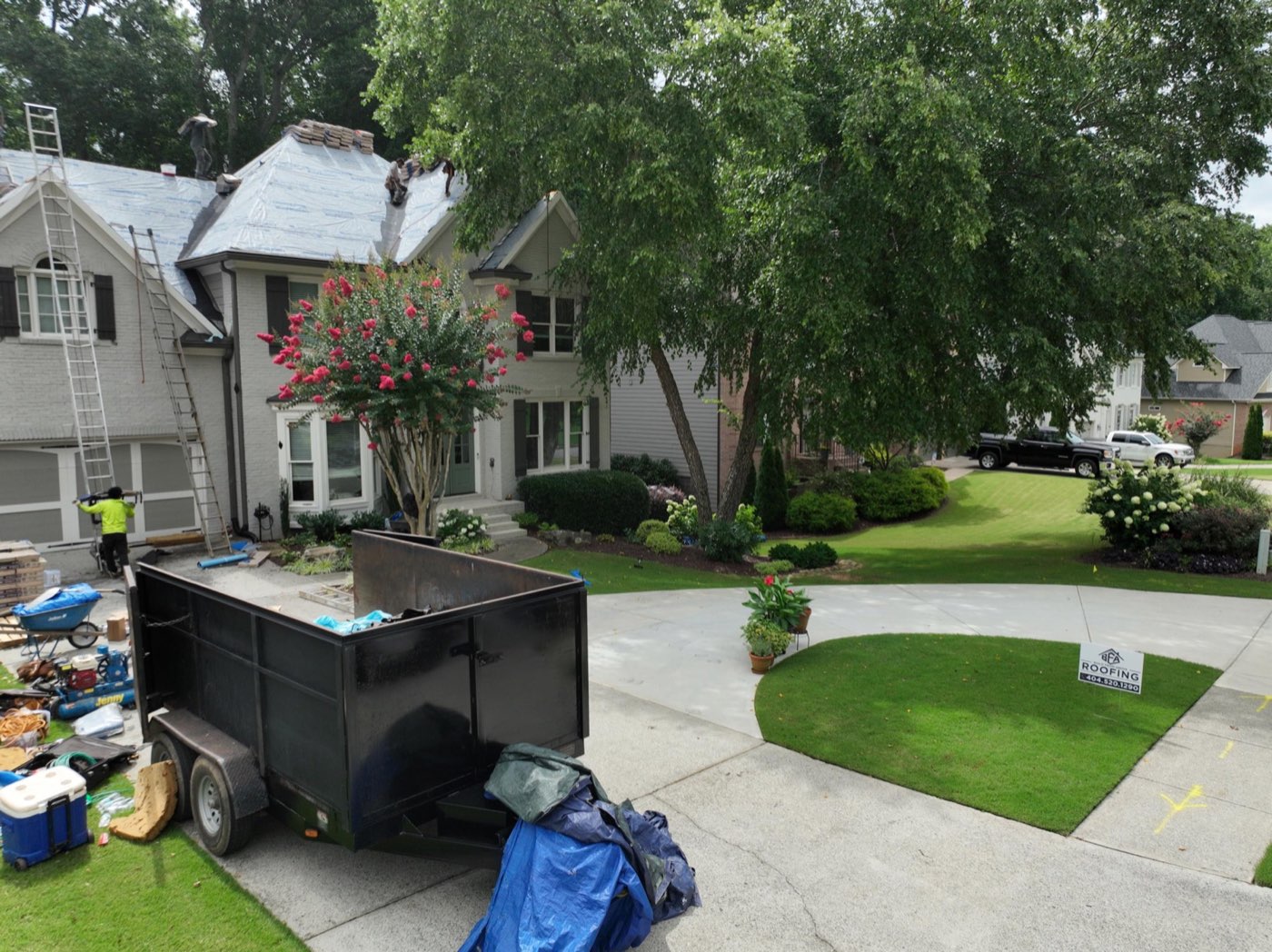
- Agree on locations for vehicles, materials, and the dumpster before delivery.
- Move patio furniture, toys, and fragile outdoor items away from the work area.
- Point out landscaping, gates, and other areas that need protection.
- Secure fragile interior items that could be affected by vibration; discuss belongings stored in the attic.
- Arrange a safe place for children and pets away from equipment and falling debris.
- Coordinate solar panels or satellite equipment with the appropriate provider if the project affects them.
These preparation topics are covered in GAF's homeowner project checklist. Confirm the specific responsibilities with your roofer instead of assuming every item is included.
Can you stay home during replacement?
Discuss access and safety with your contractor. Being home may be workable, but hammering, vibration, and activity around the property can make normal routines difficult. Plan another location if quiet is important for work, rest, or a noise-sensitive household member.
Ask which entrance will remain usable, whether the driveway will be blocked, and when it is safe to use outdoor areas again. Stay out of the work zone and do not go onto the roof to check progress.
What should happen before you call it finished?
Arrange a closeout conversation covering the agreed scope, any approved extra work, final photos, cleanup, and applicable warranty documents. Ask when the dumpster will leave and who to contact if you notice a concern afterward.
Our Suwanee project gallery shows installation, underlayment, and completion as separate stages. It helps explain the sequence without claiming that all roofs take the same amount of time.
For a property sale in North Metro Atlanta, share the closing deadline early and review the pay-at-closing process. Do not treat a general installation estimate as approval of a closing arrangement.